
16 Oct Why Wool Belongs in Your Fall Garden Prep
When most people think about gardening, spring usually gets all the attention. But fall is one of the best times to think about soil health, especially if you want to set your garden up for a stronger growing season ahead.
As the weather cools and summer gardens begin to wind down, gardeners often clean up beds, add compost, mulch planting areas, and prepare raised beds or containers for the months ahead. It’s also a great time to consider a natural soil amendment that comes from an unexpected source: wool.
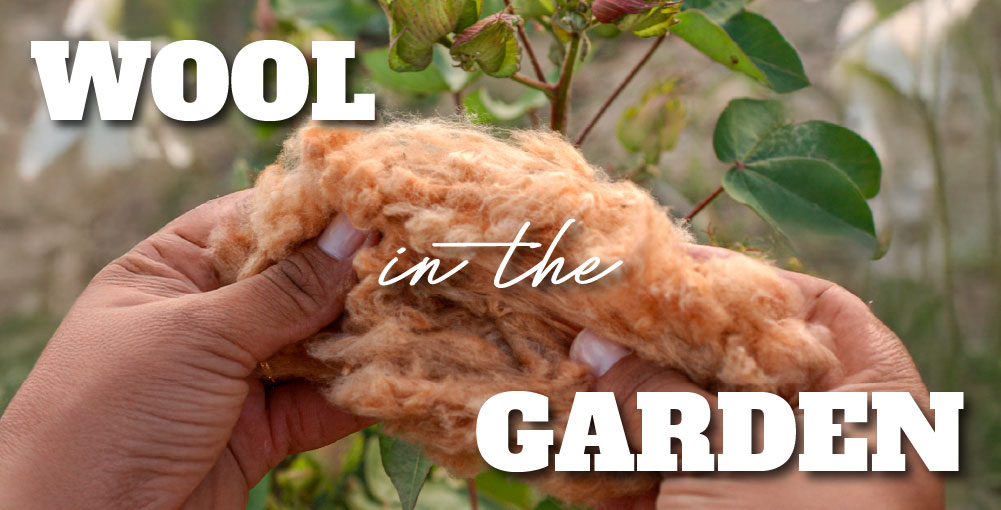
Wool pellets and raw wool can support soil health, improve moisture retention, add organic matter, and create new value from a renewable resource grown by sheep. For gardeners looking for a practical, natural way to care for their soil, wool can be a useful addition to the fall garden routine.
Why Fall Is a Good Time to Feed Your Soil
Fall garden prep is about more than clearing out spent plants. It’s a chance to rebuild and refresh the soil before the next growing season.
In many regions, gardeners use fall to add amendments, protect beds from erosion, plant cool-season crops, or prepare areas for spring planting. Because wool breaks down slowly, adding wool pellets in the fall gives them time to begin decomposing and releasing nutrients into the soil over the months ahead.
Unlike fast-acting fertilizers that give plants one quick boost, wool pellets release nitrogen gradually over months. Mix them into the soil before winter and you are building a nutrient supply for the entire season ahead. Charlene Schmid, who makes wool pellets on her Vacaville farm, puts it simply:
“We need to get that back into the soil because it’s an incredible source of nitrogen, and it shouldn’t be just going to the landfill.”
Instead of acting as a quick seasonal fix, wool can continue working gradually in the soil. That makes fall a natural time to use it, especially in raised beds, containers, vegetable gardens, flower beds, and planting areas that need a little extra care before spring.
Wool Provides Slow-Release Nutrients
Wool is a natural fiber made mostly of keratin. As it breaks down in the soil, it can slowly release nutrients that support plant growth.
One of wool’s key benefits is its nitrogen content. Nitrogen is essential for healthy plant growth, especially for leafy greens and overall plant vigor. Wool pellets can provide a slow-release source of nitrogen, which means they continue working over time rather than giving plants one quick boost.
That slow-release quality makes wool especially helpful during fall prep. By mixing wool pellets into the soil before winter, gardeners can begin building nutrient availability for the season ahead.
Wool Helps Soil Hold Moisture
Wool is naturally absorbent, which is one of the reasons it can be valuable in the garden. Wool can help soil hold moisture and slowly release it near plant roots.
For gardeners, this can be especially helpful in containers, raised beds, and dry conditions. When wool pellets are mixed into the soil, they can act a bit like a sponge, helping reduce how quickly the soil dries out.
In fall, this moisture-holding quality can support cool-season plantings and help prepare beds for healthier growth later on. It also fits well with water-conscious gardening practices, especially in areas where gardeners are looking for natural ways to improve soil resilience.
Wool Can Improve Soil Structure
Healthy soil needs more than nutrients. It also needs structure.
As wool pellets absorb water and expand, they can help create more air space in the soil. This can support better soil porosity, which allows roots to access water, nutrients, and oxygen more easily.
Fall is a good time to think about soil structure because many garden beds become compacted after a full growing season. Mixing wool pellets into beds or containers can be one way to help refresh the soil before the next round of planting.
Raw Wool Can Be Used as Mulch
Wool can also be used on top of the soil as a mulch layer. Raw wool or fleece can be placed around plants or over resting beds to help conserve moisture, protect soil, and suppress weeds.
When using raw wool as mulch, keep it slightly away from plant stems and spread it across the soil surface. Over time, the wool will gradually break down and add organic matter back into the garden.
This can be especially useful in fall when gardeners are putting beds to rest or trying to protect exposed soil through the cooler months.
Wool Supports a More Circular Use of Agricultural Resources
Not all wool can be used for clothing, yarn, or textiles. Some wool may be too dirty, stained, coarse, or low in value for traditional uses. Garden products like wool pellets create a new purpose for that fiber.
For gardeners, using wool in the garden is a way to support agriculture beyond the plate. For sheep producers, it can create value from a resource that might otherwise be difficult to market or discarded.
That makes wool pellets more than just a garden amendment. They are also part of a larger conversation about reducing waste, supporting sheep producers, and finding practical uses for natural, renewable materials.
A Second Life for California Wool
Not every fleece is destined for a sweater. Some wool is too coarse, stained, or short for textiles, and for many sheep producers that fiber is hard to market at all.
California has no wool scouring facilities on the West Coast, so shipping lower-grade wool across the country to be washed can cost more than the wool is worth. Charlene continues:
“We have the waste. It’s here. We just need to figure out how to get it into the soil.”
Garden products like wool pellets change that. Every bag puts otherwise unwanted fiber to work, supports California sheep producers beyond the plate, and keeps a natural, renewable material out of the waste stream. Your garden gets healthier soil. A working ranch gets value from every shearing. That is a circle worth closing.
How to Use Wool in Fall Garden Prep
There are several simple ways to use wool as part of your fall garden routine.
- Mix Wool Pellets into Soil
- Add Wool to Planting Holes
- Use Raw Wool as Mulch
- Prepare Beds for Spring
Add wool pellets to raised beds, garden beds, or containers and mix them into the soil before planting or before putting beds to rest. Place them near the root zone when possible so they can absorb water and release moisture and nutrients where plants need them most.
If you are planting cool-season vegetables, herbs, flowers, or perennials, add a small amount of wool pellets into the planting hole before setting the plant. This can help support moisture retention and slow nutrient release near the roots.
Spread raw wool around plants or across resting beds as a natural mulch layer. This can help protect soil, conserve moisture, and gradually contribute organic matter as the wool breaks down.
Even if you are not planting right away, fall is a good time to prepare garden beds for spring. Mixing wool pellets into the soil now gives them time to begin breaking down before the next growing season.
Before You Put the Garden to Bed, Feed the Soil
Fall garden prep is a smart opportunity to think ahead. By adding natural amendments, improving soil structure, and protecting garden beds through the cooler months, gardeners can help create healthier conditions for future growth.
Wool pellets and raw wool offer a practical way to support that process. They can provide slow-release nutrients, improve moisture retention, add organic matter, and create value from wool that may not be used in traditional textile products.
Before you put your garden to bed for the season, consider feeding the soil with wool.
Explore More About Wool in the Garden
Learn more about the benefits of using wool in the garden and how sheep products can support healthy soil, water conservation, and local agriculture.