
16 Jun The Benefits of Using Wool in Your Garden
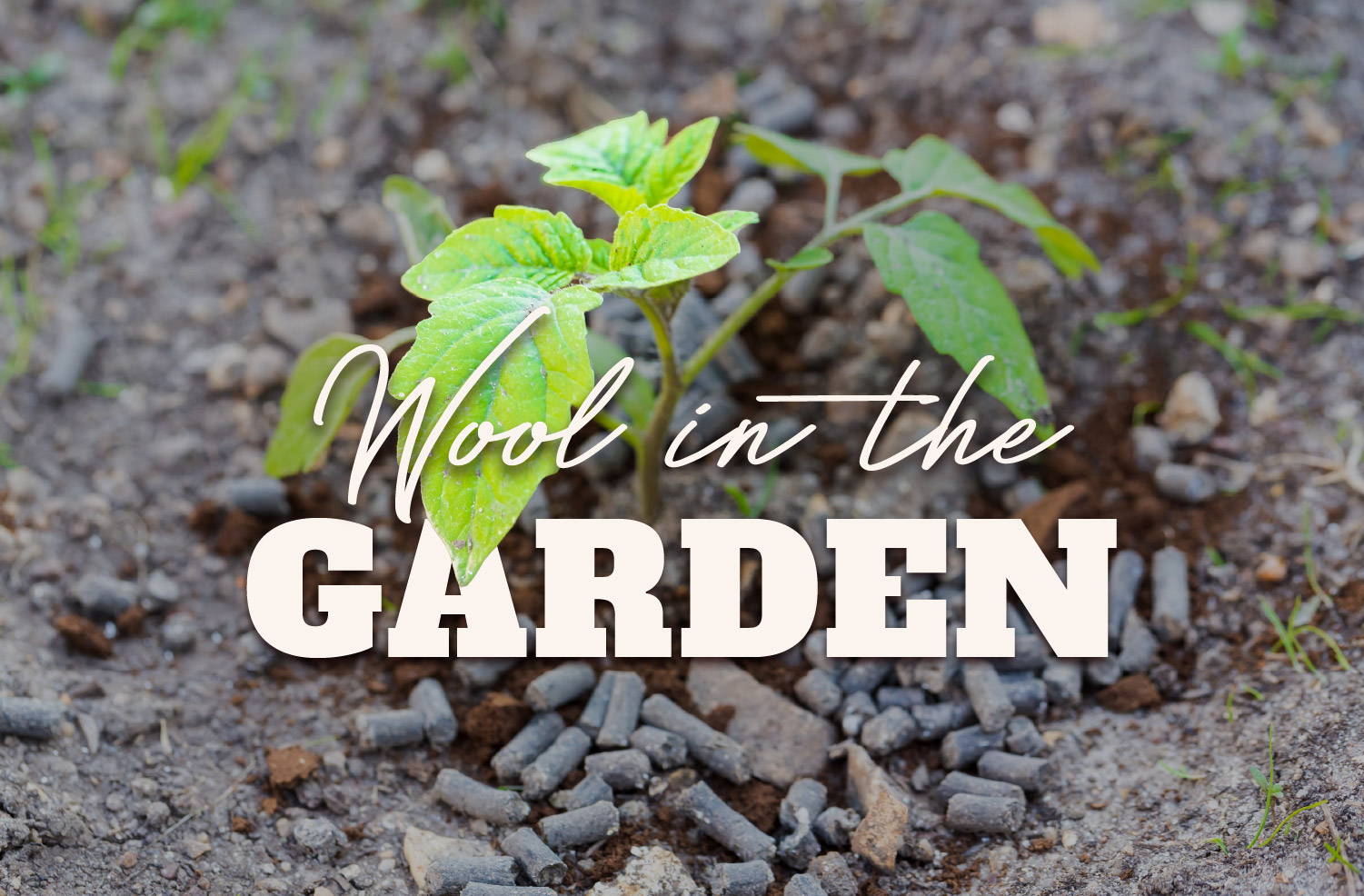
Wool is often associated with blankets, sweaters, and cozy socks. However, this natural fiber can also benefit your garden. It helps support healthy soil, conserve moisture, reduce waste, and create value from a sheep’s renewable resource.
1. Wool Provides Natural Nutrients
Wool is a natural fiber made mostly of keratin, and it breaks down slowly in the soil. As it decomposes, it can release nutrients while also helping improve moisture retention and soil structure.
South Dakota State University Extension notes that wool contains several natural constituents, including sulfur, phosphorus, potassium, and mostly nitrogen. Wool pellets can provide about 9% nitrogen, which is one reason they are being explored as a natural soil amendment for garden and vegetable production.
Nitrogen is one of the key nutrients plants need for healthy growth, especially when it comes to leafy greens and overall plant vigor. Because wool breaks down gradually, it can provide a slow-release source of nitrogen that continues working in the soil over time rather than giving plants a quick boost and disappearing.
A University of Vermont SARE project found that wool pellets had an average NPK profile of 9-0-4, meaning they supplied nitrogen, almost no phosphorus, and a small amount of potassium. This makes wool pellets an interesting option for gardens that need additional nitrogen but may not need extra phosphorus, especially in areas where phosphorus runoff or buildup is a concern.
2. Wool Helps Soil Hold Moisture
One of wool’s biggest garden benefits is its ability to absorb and slowly release water. SDSU Extension describes wool as sponge-like, noting that it can hold 20 to 30 times its weight in water and then slowly release that moisture into the soil.
For gardeners, that can be especially helpful in containers, raised beds, and dry summer conditions. When wool is mixed into the soil near plant roots, it can help keep moisture available longer and reduce how quickly soil dries out.
3. Wool Can Improve Soil Structure and Aeration
As wool pellets absorb water, they expand. That expansion can help create more air space in the soil, supporting better porosity and root growth. Sonoma Wool Company describes wool pellets as expanding with water and helping increase soil porosity, which can reduce the need for additives like perlite.
Healthy roots need both moisture and oxygen. Compacted soil can restrict growth. In contrast, porous soil allows roots to access water, nutrients, and air more easily.
At Marin Coast Ranch, Mandy shared that they noticed a visible difference after applying wool pellets with dryland seed in the late fall.
“Based on studies at UVM, our hypothesis going into the project was improved grass root reach and faster growth from slow, continuous nutrient release over a six-month period and improved soil porosity. In the section where we spread wool pellets and dry land seed in the late fall, we noticed that the grass grew taller, faster in the early spring. We did not do any soil testing, but there was a visual difference between the plot where we did just seeds and wool plus seeds.”
— Mandy, Marin Coast Ranch
4. Wool Can Help Suppress Weeds and Slugs
Raw wool can also be used as mulch around plants. When placed on top of soil, wool can help block light from reaching weed seeds and make it harder for weeds to push through.
SDSU Extension notes that dense fleece used as mulch can make it difficult for weeds to penetrate, and gardeners have anecdotally reported fewer slugs when wool is used as mulch.
The American Wool Council also shares that wool can be used for weed and slug control, noting that wool mulch helps retain moisture and can act as a natural barrier in garden beds.
Wool also naturally contains lanolin, which some gardeners use as part of a natural approach to discouraging pests such as slugs and snails. While garden results can vary, this is one more reason wool is being explored as a low-input tool for healthier garden systems.
5. Wool Breaks Down Slowly
Unlike some mulches that break down quickly, wool can remain active in the garden for multiple seasons. SDSU Extension notes that wool can take at least two years to fully decompose, allowing gardeners to see benefits across more than one growing season.
That slow decomposition is part of what makes wool useful as both a mulch and a soil amendment. It contributes organic matter over time while offering lasting support for moisture retention and weed suppression. As wool pellets decompose, they can enrich the soil with organic matter, improving structure and nutrient content. This can help create a more welcoming environment for beneficial microorganisms, earthworms, and other soil organisms that support nutrient cycling and overall soil health.
6. Wool Creates Value: a Byproduct that Supports Local Agriculture and Land Stewardship
Garden wool supports a more circular approach to agriculture. Not all wool can be used for clothing or textiles, but lower-value wool can still have an important purpose in the garden.
The American Wool Council notes that “waste wool” can make up to 20% of the total take from each sheep. Garden products like wool pellets create a new use for fiber that might otherwise have limited market value or be discarded.
“Wool has been, historically, only used for fashion and textiles. But not all wool is usable for traditional means and is disposed of due to poor quality, organic matter accumulation or staining. Wool pellets innovatively upcycle un-marketable wool, a waste by-product. Bonus: the dirtier, the better.”
— Mandy, Marin Coast Ranch
For gardeners, wool pellets offer a natural soil amendment that also supports agriculture beyond the plate. For sheep producers, they create another opportunity to turn excess or hard-to-market wool into a value-added product. That added value can support sheep producers, grazing operations, and agricultural businesses that are looking for more sustainable ways to use the resources they already have. Marin Coast Ranch plans to continue producing wool pellets and may be interested in acquiring excess wool from other farms in the future.
If you are a sheep producer with dirty, stained, lower-quality, or otherwise unmarketable wool that you are potentially discarding, consider reaching out to Mandy through the Marin Coast Ranch website.
7. Wool May Help Store Carbon in the Soil
Wool is renewable and biodegradable, and it naturally contains carbon. Mandy notes that up to 50% of the weight of wool is carbon. When wool pellets are incorporated into the soil, that carbon becomes part of the soil system as the wool breaks down.
This makes wool pellets an interesting option for gardeners who are thinking about soil health, organic matter, and climate-conscious gardening practices.
4 Ways You Can Use Wool in the Garden
Wool can be used in several simple ways.
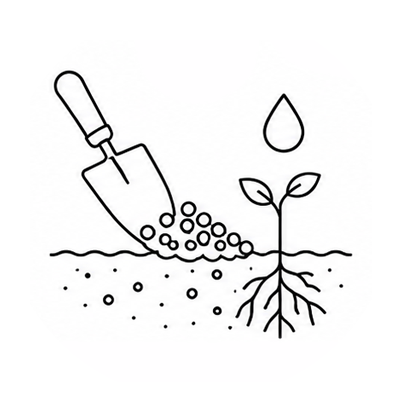
1. Mix Wool Pellets into Soil
Wool pellets can be mixed into potting soil, raised beds, or garden beds before planting. Place them near the root zone so they can absorb water and release moisture and nutrients where plants need them most.
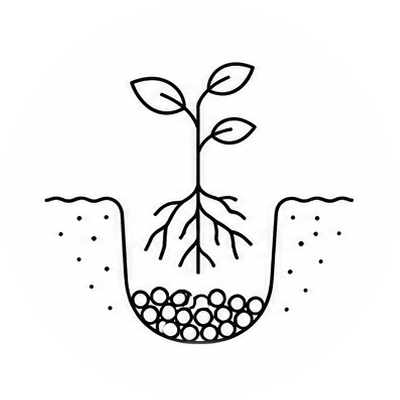
2. Add Wool to Planting Holes
For transplants, add a small amount of wool or wool pellets into the planting hole before setting the plant. This can be especially helpful for tomatoes, peppers, herbs, flowers, and container plants.
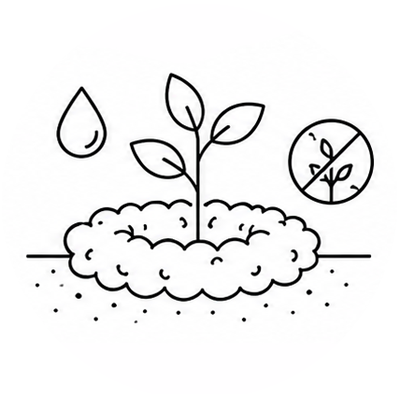
3. Use Raw Wool as Mulch
Raw fleece can be placed around plants as a mulch layer. Keep it slightly away from plant stems and spread it across the soil surface to help retain moisture and suppress weeds.
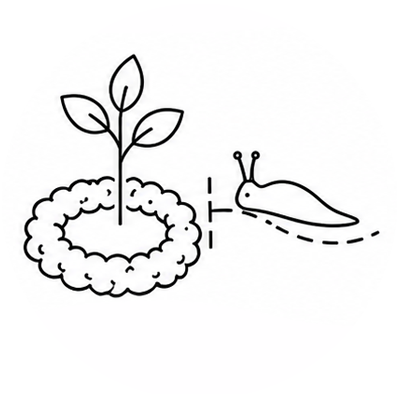
4. Create a Slug Barrier
Some gardeners use wool or wool pellets around the base of plants as a natural slug barrier. While much of this evidence is anecdotal, wool’s texture may help discourage slugs from crossing into the protected area.
What the Research Says
Research on wool in gardens is still developing, but early findings are promising.
The University of Vermont SARE project studied wool pellets as a fertilizer and soil conditioner for vegetables. The project found that wool pellets may be a promising alternative fertilizer for organic vegetable crops, while also noting that further research is needed across more crops and soil types.
SDSU Extension also cites research showing that wool pellets can generate the same or greater vegetable yields compared to commercial fertilizer, and that studies have seen 58% to 69% larger tomatoes when fertilized with wool compared to no fertilizer.
“We have also used the pellets around our flower beds at the ranch and have noticed positive results for flower blooms arriving earlier and lasting longer.”
— Mandy, Marin Coast Ranch
For gardeners, the takeaway is practical: wool is not a magic fix, but it can be a helpful natural amendment when used as part of a healthy soil and watering plan.
Where to Buy Wool Pellets
Gardeners can look for wool pellets through farms, fiber producers, and wool companies. A few sources include:
Sonoma Wool Company offers wool pellets made from 100% raw wool from U.S. ranchers and lists them as an NPK 9-0-2 slow-release fertilizer. Shop Sonoma Wool Company Wool Pellets
Integrity Alpacas & Fiber offers wool pellets made from a blend of California-grown alpaca and sheep’s wool, with a listed NPK of 11-0.1-2. Shop Integrity Alpacas & Fiber Wool Pellets
Marin Coast Ranch describes its wool pellets as a slow-release nitrogen soil amendment made with discard wool from sheep in Sonoma and Marin County. Shop Marin Coast Ranch Wool Pellets
123 Farm also offers wool pellets for garden use. Shop 123 Farm Wool Pellets
You may also be able to find wool pellets, raw wool, or garden wool products from local sheep producers, wool mills, fiber farms, farmers markets, or regional fiber networks.
A Natural Way to Support Your Garden
Using wool in the garden connects healthy soil, water conservation, and local agriculture. It can provide natural nitrogen, improve moisture retention, increase soil porosity, and help suppress weeds. It also creates value for wool that may not be used in traditional textile products.
For gardeners looking for a natural, renewable soil amendment, wool offers a practical and sustainable option from sheep to soil.
Sources
Wool: A Natural Bio-Enhancement for Gardens
SARE Final Report for ONE20-358
Sonoma Wool Company Wool Pellets
American Wool: 4 Reasons to Introduce Wool into Your Garden